
Loading...
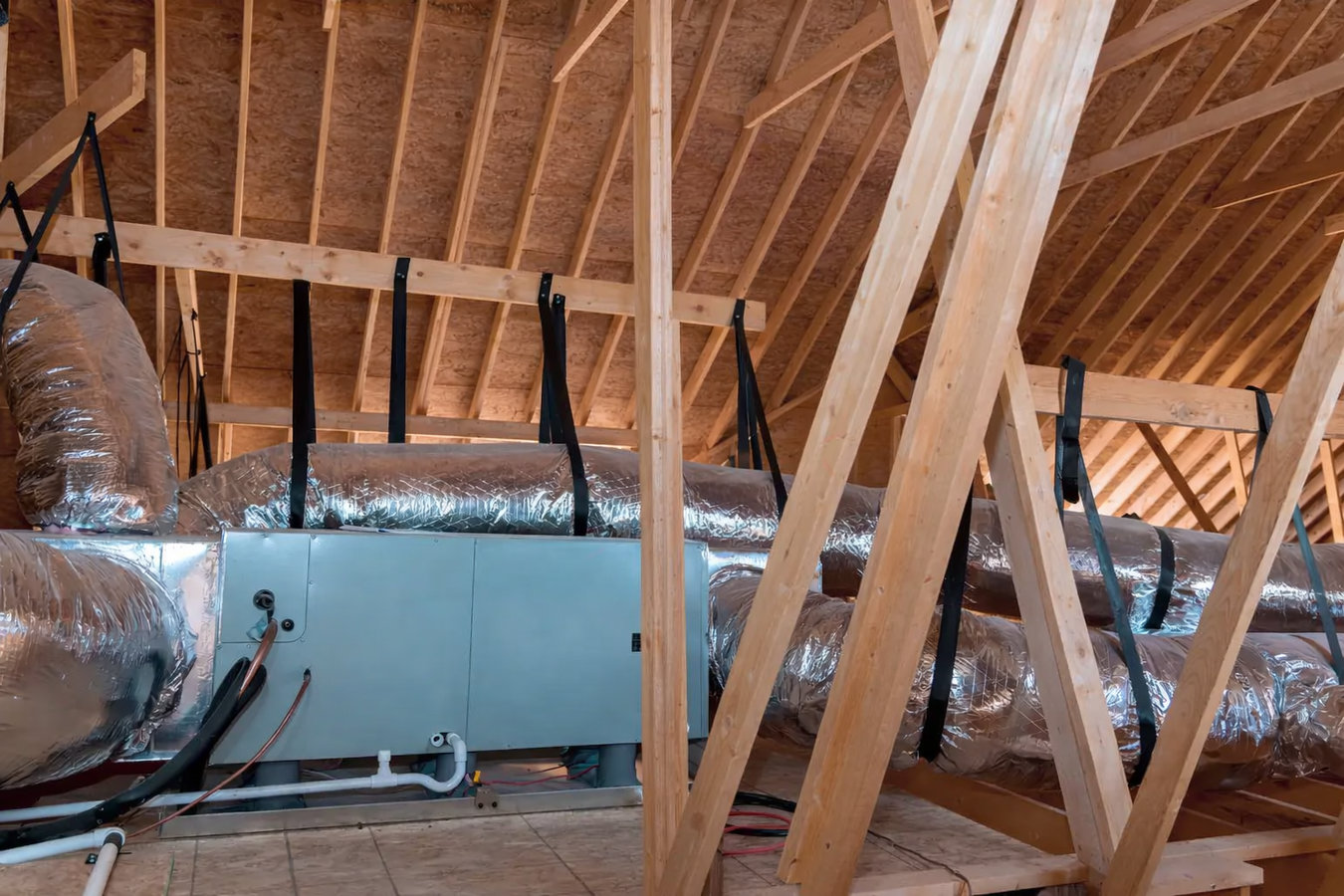
Gaps in your attic floor let cooled air escape and hot attic air push down into your home all summer. Sealing them stops that energy loss and makes your home easier to cool.
Attic air sealing in Denison, TX means finding and plugging the gaps, cracks, and holes in your attic floor that let conditioned air escape and outside air sneak in - most jobs are completed in a single day with no disruption to your living space.
In Denison, where air conditioning runs hard from late April through October, those gaps are costing you real money every month. The culprits are usually the dozens of small openings around light fixtures, pipes, wires, and wall tops hidden above your ceiling - easy to miss but collectively responsible for a significant share of your home's energy loss. Attic air sealing pairs directly with retrofit insulation because insulation alone cannot stop air from moving through gaps - you need both working together to see the full benefit.
If rooms directly below the attic stay noticeably warmer than the rest of the house during Denison's long summers, hot attic air is likely pushing down through gaps in the ceiling. This is one of the most common complaints from North Texas homeowners, and it is often misdiagnosed as an HVAC problem when the real cause is an unsealed attic floor. Air sealing those gaps can make a dramatic difference in how evenly your home cools.
If your electric bill climbs well above what neighbors pay for a similar-sized home, or if it has crept up noticeably over recent years, air leakage is a likely contributor. In Denison's climate, where the AC runs for six or more months, even moderate air leakage adds up to hundreds of dollars a year in wasted energy. A bill that feels out of proportion to your home's size is a strong signal that something is letting conditioned air escape.
If you see dust blowing from recessed lights or ceiling fans, or notice a dusty smell that seems to come from above, outside air is likely moving through gaps in your attic floor. In Denison, where spring brings significant wind-blown pollen, this means your home is pulling in unfiltered outdoor air through the attic rather than through your filtered intake vents. Sealing those gaps stops the unfiltered air from entering.
Denison has many homes built in the 1950s through 1970s, before energy efficiency was a building priority. If your home has never had a professional look at the attic, there is a very good chance it has open wall cavities, unsealed pipe penetrations, and other gaps leaking air for decades. You do not need to wait for a symptom - the age of the home alone is a reasonable reason to have it assessed.
Every attic air sealing job starts with an in-person assessment - we go into the attic, identify every penetration that needs to be sealed, and give you a written quote before any work begins. On the job day, we move any existing insulation aside to expose the attic floor, then work through each gap systematically: pipes, wires, recessed light fixtures, wall top plates, plumbing chases, and any other openings we find. We use foam and caulk appropriate to each location. Nothing gets skipped just because it is small. Our sealing work connects directly to your air sealing services scope, so if you need whole-home air sealing beyond the attic floor, we can address that in the same visit or a coordinated follow-up.
Once sealing is complete, the existing insulation goes back in place - or we add new insulation if that is part of the project. We leave the attic clean and take photos of the sealed penetrations before we close up, so you have a clear record of what was done. You should never have to take a contractor's word that work hidden above your ceiling was completed correctly.
The most thorough option - every penetration in the attic floor is identified and sealed before insulation is replaced. Best for older homes and any home with high energy bills.
Combines complete sealing with an insulation upgrade in the same visit. Recommended when your current insulation is thin, damaged, or compacted.
Addresses specific known problem areas - recessed lights, attic hatches, pipe chases - without a full attic floor assessment. Suits homes where a prior audit identified problem spots.
Sealing performed ahead of a blown-in insulation installation. Ensures the insulation layer performs at its full rated level by stopping air movement before it goes in.
Denison sits in Grayson County in North Texas, where summer temperatures regularly climb above 95 degrees F and the air conditioning runs from late April through October. That long, relentless cooling season means every gap in your attic floor is actively costing you money for more than half the year. The North Texas climate zone is one where the Department of Energy recognizes attic air sealing as delivering among the highest returns on investment in the country - simply because the demand on your HVAC system is so consistent. Denison also has a significant number of homes built before 1980, when open wall cavities, unsealed pipe chases, and fixtures connecting directly to the living space below were standard construction practice. Homeowners in Sherman, TX and Pottsboro, TX deal with the same housing stock and the same climate demands, and we serve those communities as part of our regular work area.
North Texas also experiences dramatic swings between hot, humid summers and cold winter nights. Those cycles of expansion and contraction cause caulk, wood framing, and drywall to shift over time, opening new gaps even in homes that were reasonably tight when built. Humidity matters too: when warm, moist air from your living space rises into the attic through gaps, it can condense on cooler surfaces and create conditions for mold or wood rot. Sealing those pathways protects your attic structure, not just your energy bill. Before scheduling work, it is worth checking whether any Oncor or DSIRE rebates are currently available for air sealing in your area - they can meaningfully reduce your out-of-pocket cost.
We ask a few basic questions - your home's age, approximate square footage, and whether you have existing attic insulation. This takes five minutes and helps us show up prepared. We reply within one business day.
We go up into the attic and look at every penetration that needs attention - pipes, wires, recessed lights, wall top plates, and more. You get a written quote before anything starts. No pressure, no surprise charges.
The crew moves insulation aside, works through every opening systematically using foam and caulk, and replaces the insulation when sealing is done. The work stays in the attic - your routine at home is not interrupted.
Before the crew packs up, we walk you through what was found and sealed and leave you photos of the completed work. There is no curing period - your home is ready immediately, and you can watch your energy bills over the next billing cycle.
Free estimate, written quote before work starts, job finished in a single day.
(903) 415-9273A rushed job seals only the large openings and skips the dozens of smaller ones that add up to just as much air loss. We work through every penetration in the attic floor and document what we found. You can verify the work because we show you before we leave - not just hand you a receipt.
Every project starts with an in-person assessment and a written quote that lists what will be sealed and what it costs. The number we give you before work starts is the number on your invoice. We do not find unexpected extras to add once we are in your attic.
Homes built in the 1950s through 1970s in this part of North Texas have construction details that newer homes do not - open wall cavities, old-style recessed fixtures, plumbing chases that run straight to the living space. We work in these homes regularly and know what to look for before we even open the hatch.
We follow the air sealing standards that the U.S. EPA recognizes through the ENERGY STAR program - not our own judgment about what is good enough. That means insulation goes back down over a properly sealed floor, not over gaps that got overlooked because they were harder to reach. The Building Performance Institute sets the professional standard for this work, and we follow it.
These are not selling points - they are the basics of how the job should be done. When you call us, you get a contractor who will tell you clearly what your attic needs, do the work right the first time, and leave you with documentation you can keep.
Add insulation to your existing attic or walls without tearing anything apart - often done in the same visit as air sealing for the best combined result.
Learn MoreWhole-home air sealing that covers gaps in basements, crawl spaces, and exterior walls in addition to the attic floor.
Learn MoreSummer is long in North Texas - get your attic sealed before the next heat wave hits your energy bill.